Data Centers · Failure Investigation
09 Reliability Assessment of Mission-Critical Data Center Infrastructure
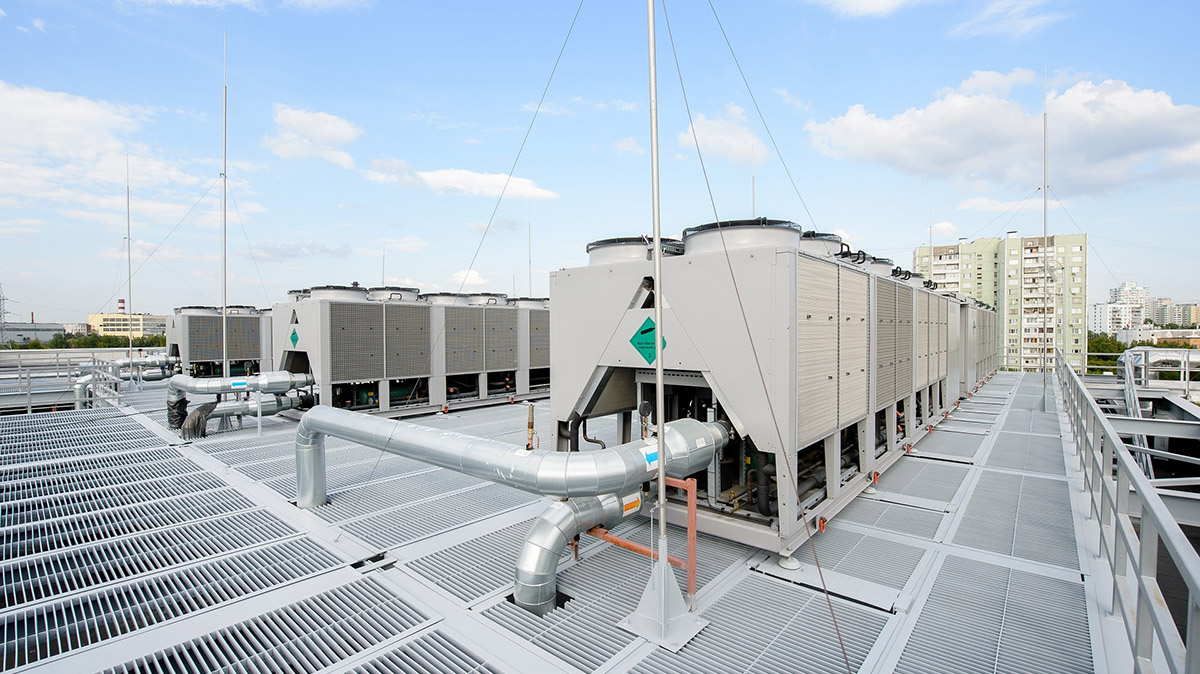
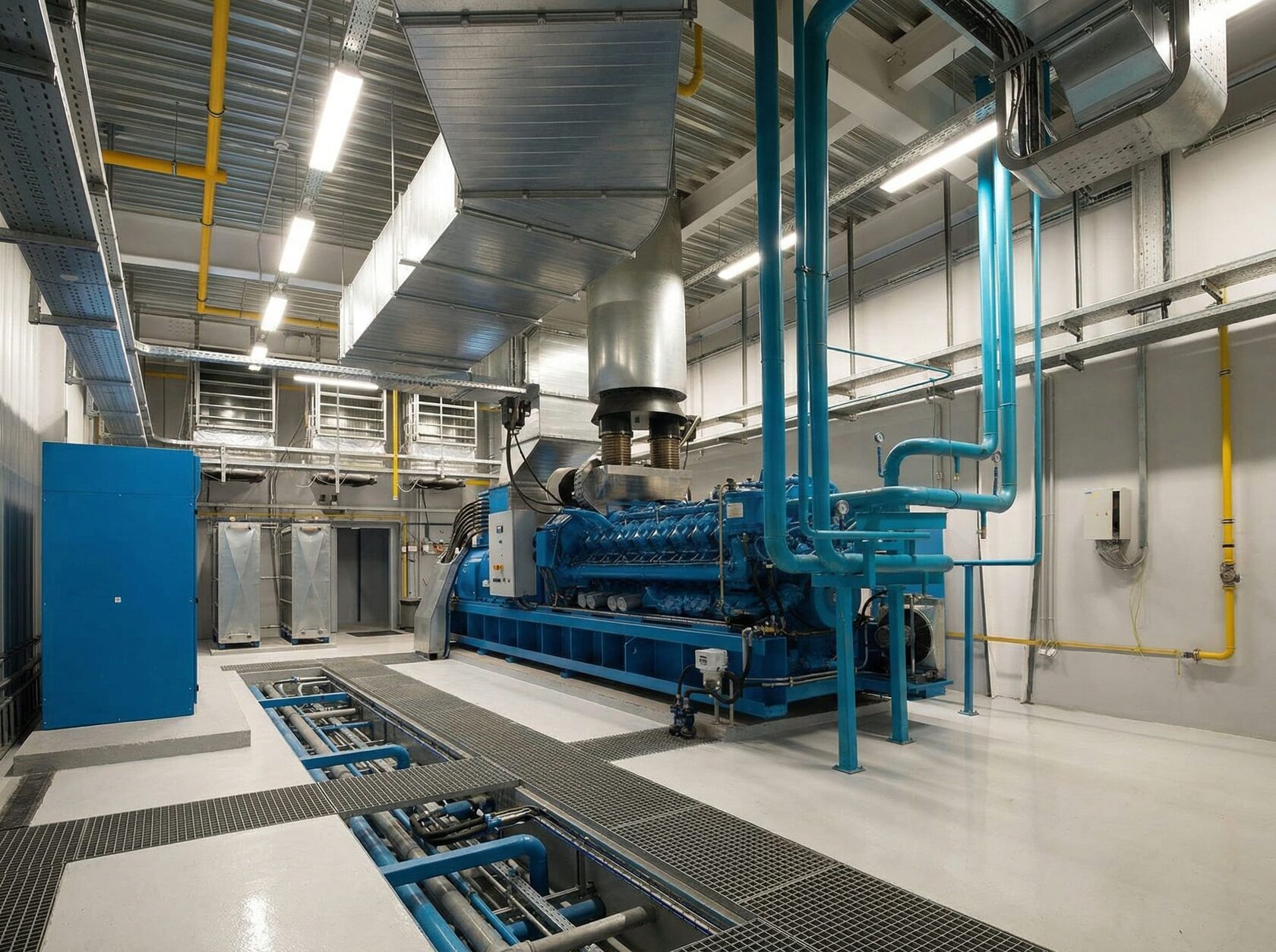
Cascading failures in mission-critical data center infrastructure raised the question of whether the plant itself was the origin of the event or a consequence of it. We reconstructed the failure sequence across 2 critical infrastructure systems, carried out failure investigation and materials analysis on the affected plant, and modelled the protection and redundancy arrangements against the recorded events. The analysis identified the point of origin and the design and maintenance weaknesses that allowed one event to propagate, and the resulting CAPA programme set the priority corrective actions and revised inspection and maintenance intervals.
2 critical infrastructure systems Failure sequence reconstructed Materials analysis of affected plant Protection and redundancy modelled Prioritised CAPA programme
Gold Mining · Technical Due Diligence
10 Technical Due Diligence of 160 Remote Mining Assets in Extreme Cold
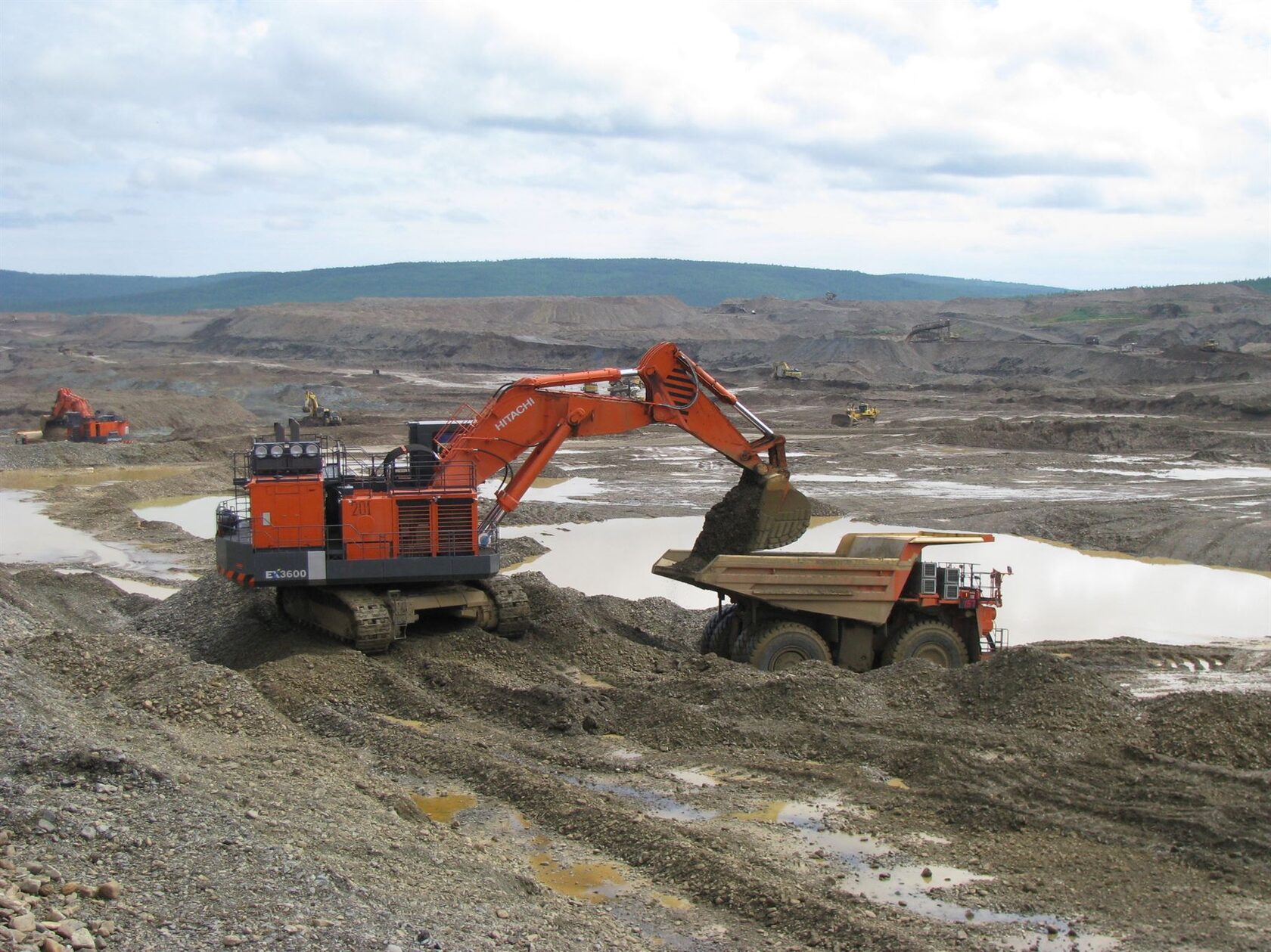
160 mining, mobile and power-generation assets were spread across remote sites where temperatures fall to -55 °C and any intervention means a long mobilisation. Seven field expeditions were used to inspect the fleet, grade condition and record completeness. Repairability, spare-parts availability, transport and recovery logistics and total cost to operate were then assessed and combined into a single asset-decision model, which showed where condition and repairability, rather than purchase value, determined the economics of keeping an asset in service.
160 assets assessed 7 field expeditions Operating temperatures to -55 °C Single asset-decision model
Special Vehicles · Technical Verification
11 Independent Verification & Acceptance of 28 Fire Engines
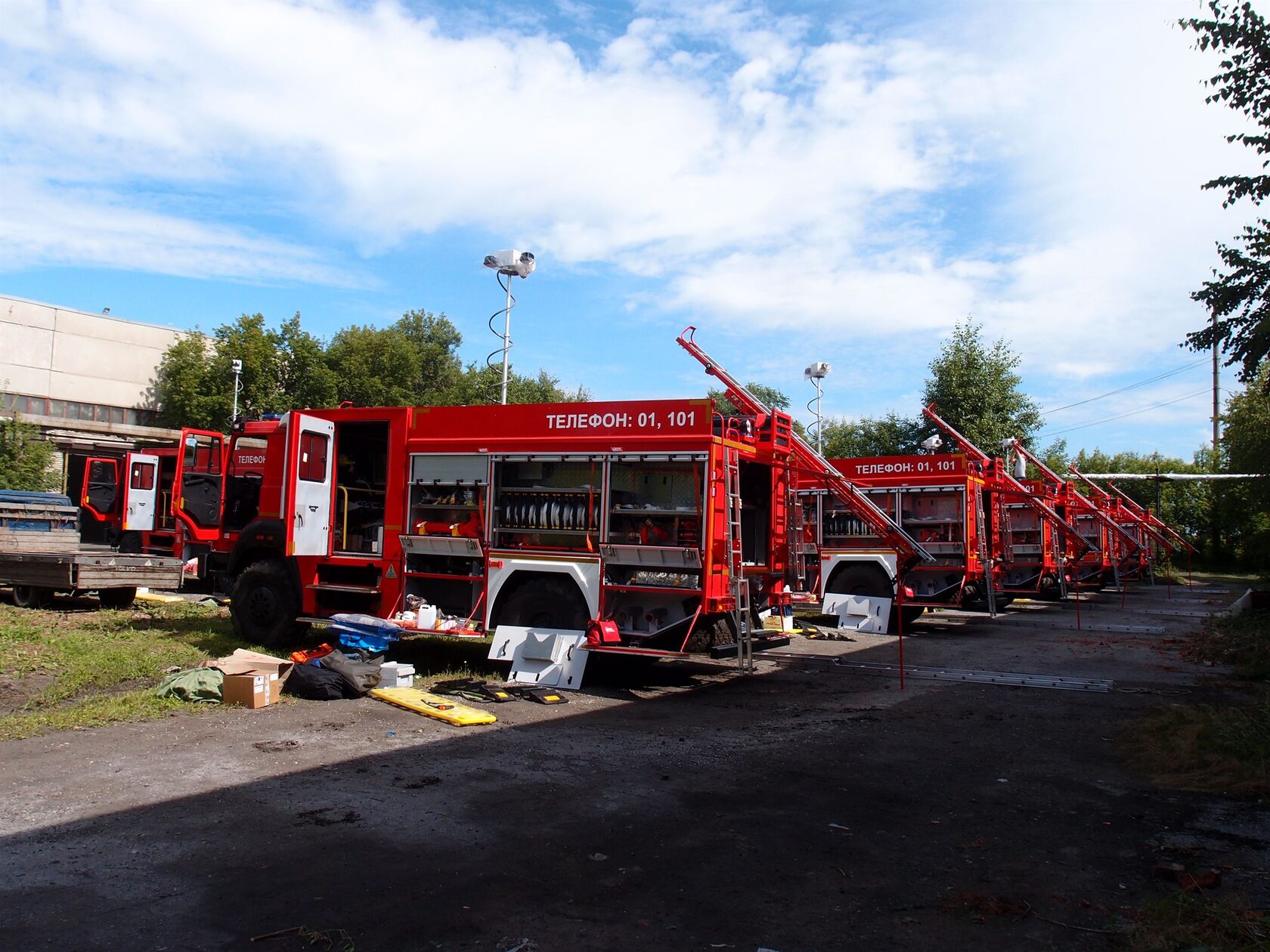
A fleet of 28 new fire engines required independent verification and acceptance before release to service. Every item on the delivery schedule was checked physically and against specification — 1,834 items in total — with regulatory compliance and documentation verified alongside functional testing. Acceptance comments were raised, tracked and closed with the manufacturer, closing out 52 comments. The result was a documented acceptance position on every one of the 28 vehicles and an agreed requirements basis for the fleet’s handover into operation.
28 vehicles 1,834 items verified 52 acceptance comments closed Physical testing and regulatory compliance
Material Handling · Supplier Quality & Verification
12 Post-Delivery Technical Due Diligence of an Imported Equipment Fleet
An imported forklift fleet of 28 machines was generating repeated customer complaints, repairs and returns, and the cause was not visible from a single machine. We inspected machines at 20 customer locations, coded every defect found, and compared condition against the supplier’s specification and the contractual acceptance criteria. The non-conformities were fleet-wide rather than isolated, which pointed to the supply and acceptance process rather than to any one unit. The findings were converted into a quality gate for future imports — supplier qualification, pre-shipment inspection and defined acceptance criteria before release.
28 machines 20 locations Future procurement quality gate
Oil & Gas · Claims & Loss Technical Advisory
13 Property Damage & Business Interruption Assessment for Oil Terminal Operations
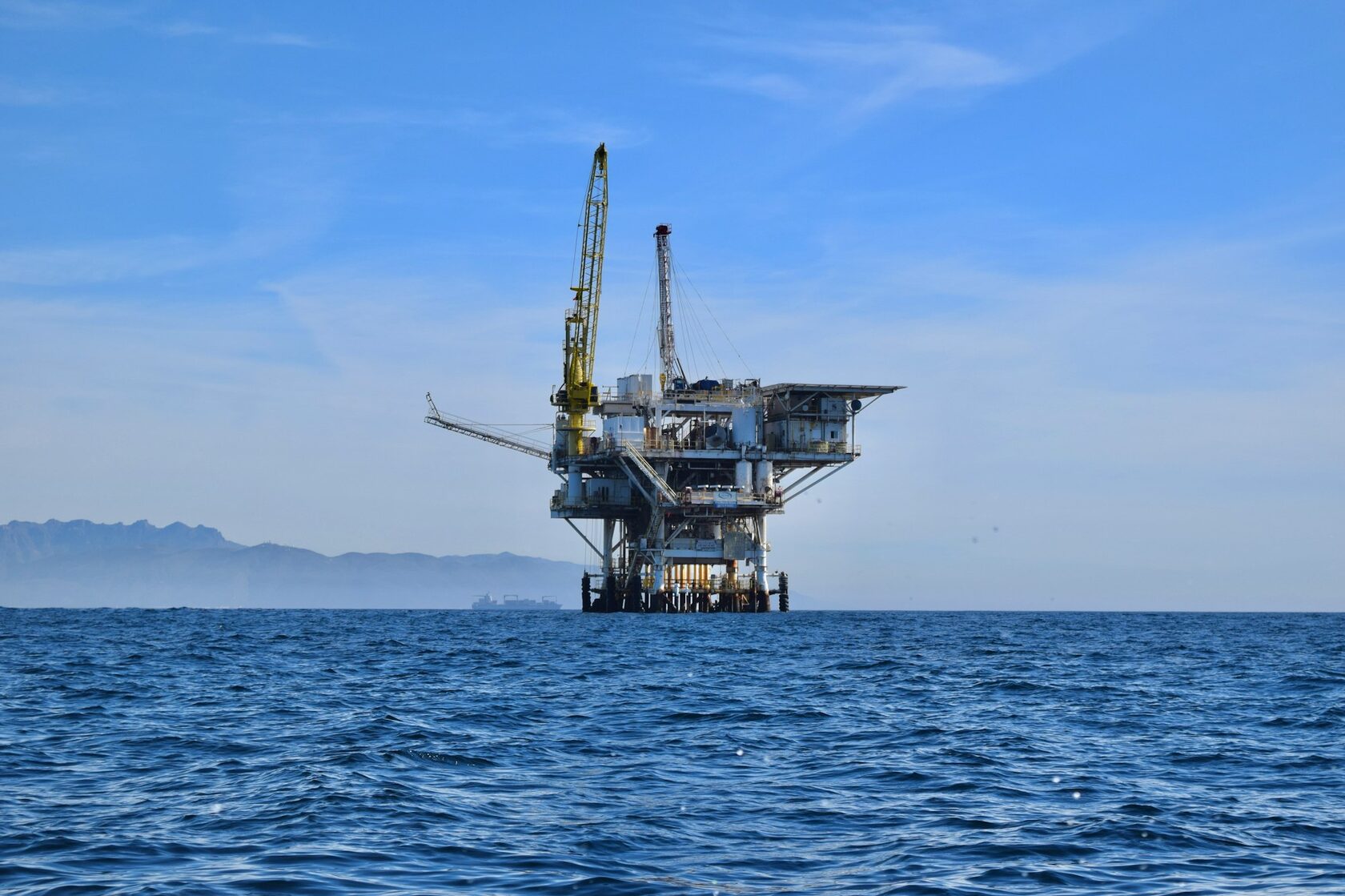
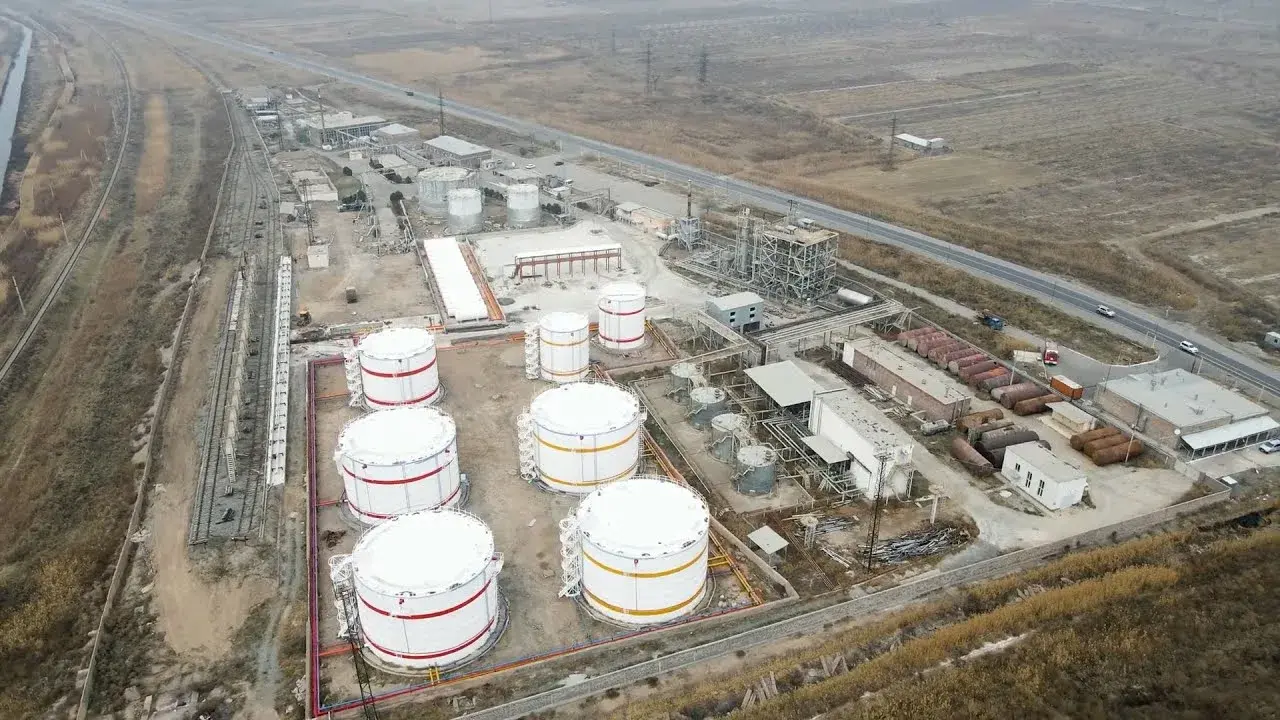
A major pipeline-related disruption to oil-terminal operations produced both physical damage and prolonged business interruption, with an exposure of approximately US$27.4M. We assessed the damage to the affected plant, defined the repair scope and the sequence and duration of the works, and modelled the loss of throughput and the recovery ramp that followed. Repair requirements, downtime and the contractual consequences were then linked in one causally structured loss model, giving the client a single technical basis for its Property Damage and Business Interruption position on the US$27.4M exposure.
~US$27.4M exposure Property Damage + BI Throughput loss and recovery ramp modelled Repair scope, duration and contractual losses linked
Mining · Engineering Analysis & Modelling
14 Structural Reassessment & Numerical Modelling of a Mining Excavator Boom
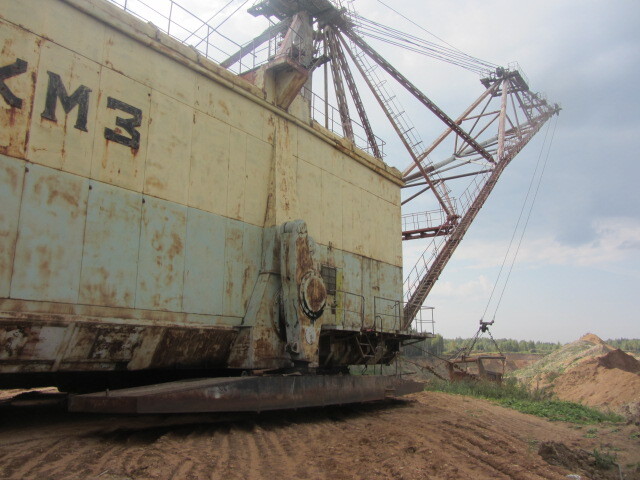
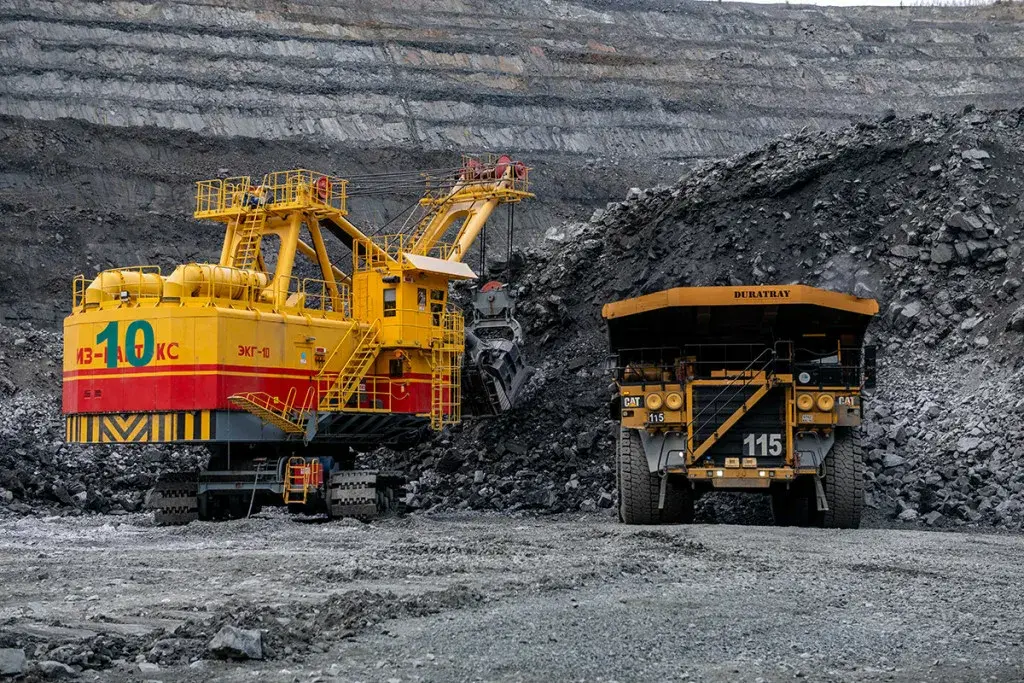
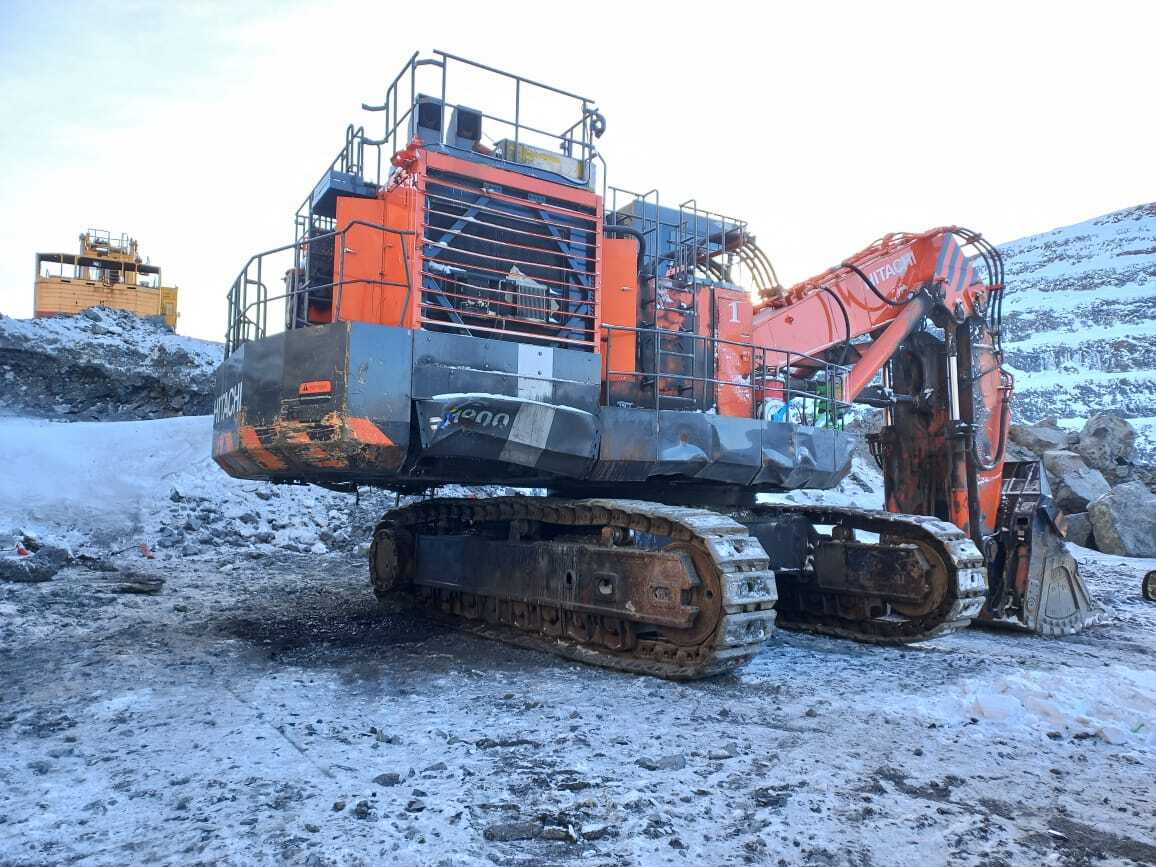
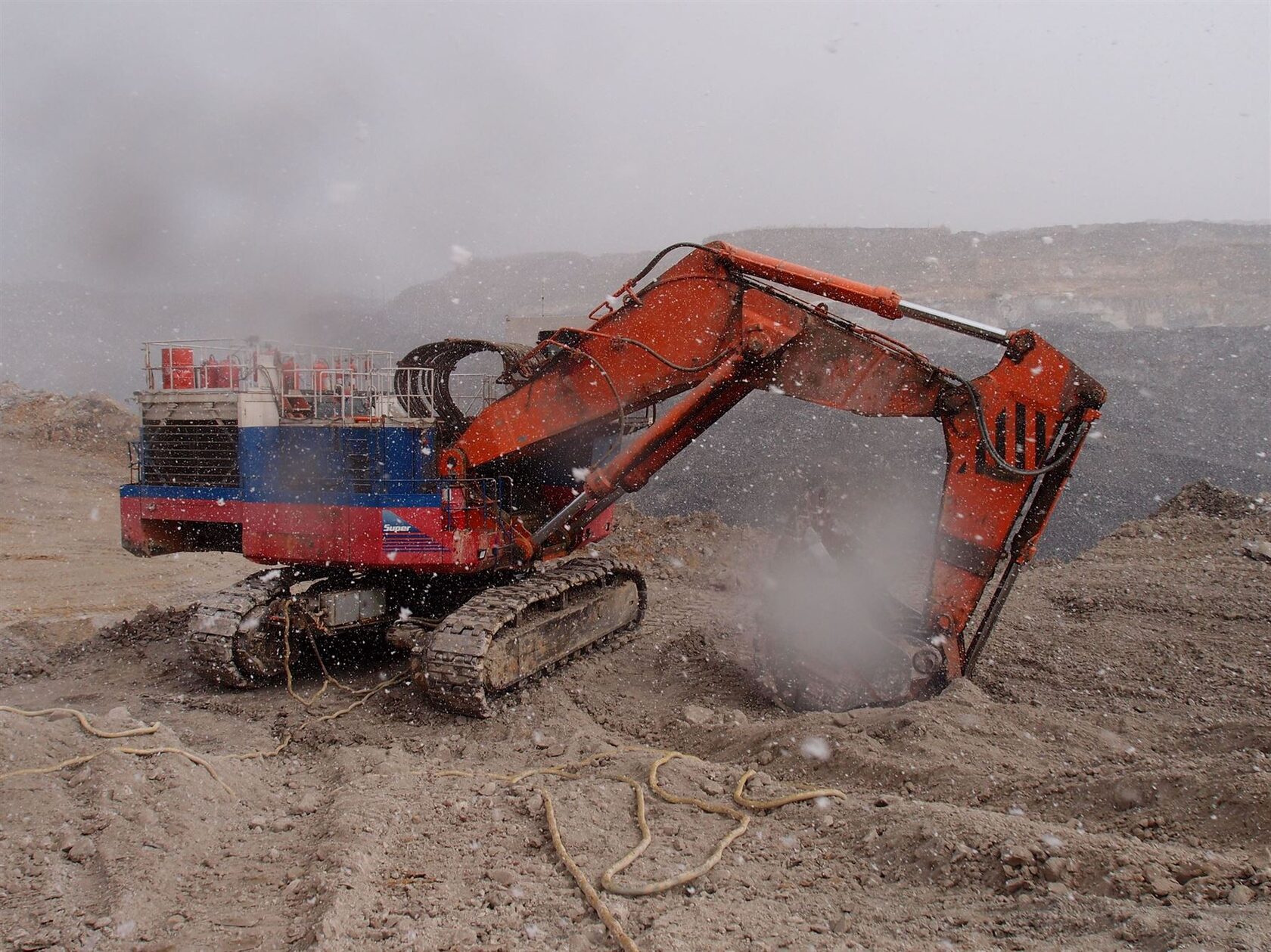
A mining excavator was working with a non-standard replacement boom whose fitness for service had never been established. We reconstructed the actual working kinematics and duty cycle, reviewed the OEM engineering data and design envelope for the machine, and carried out nonlinear and cyclic-load numerical analysis using measured material properties and the as-welded connection detail. The reassessment established whether the boom could be operated within its actual duty cycle and produced a remaining-life position with defined operating limits — a defensible basis for continued service or for replacement.
Nonlinear + cyclic-load analysis OEM design envelope and as-welded detail reviewed Actual duty cycle reconstructed Remaining-life position with operating limits
Rail · Cross-Border Technical Due Diligence
15 Cross-Border Due Diligence of Disassembled Rail Maintenance Machinery
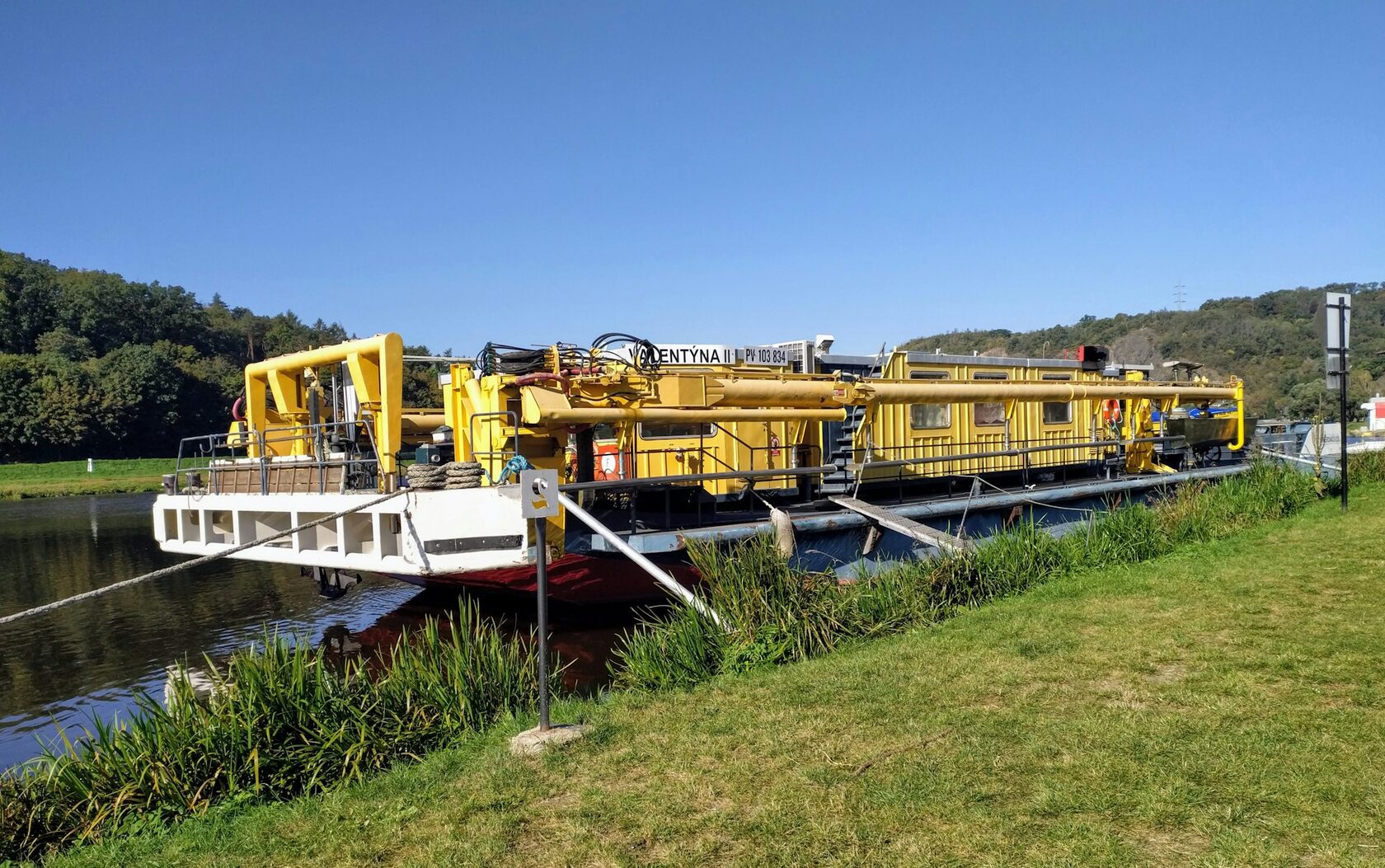
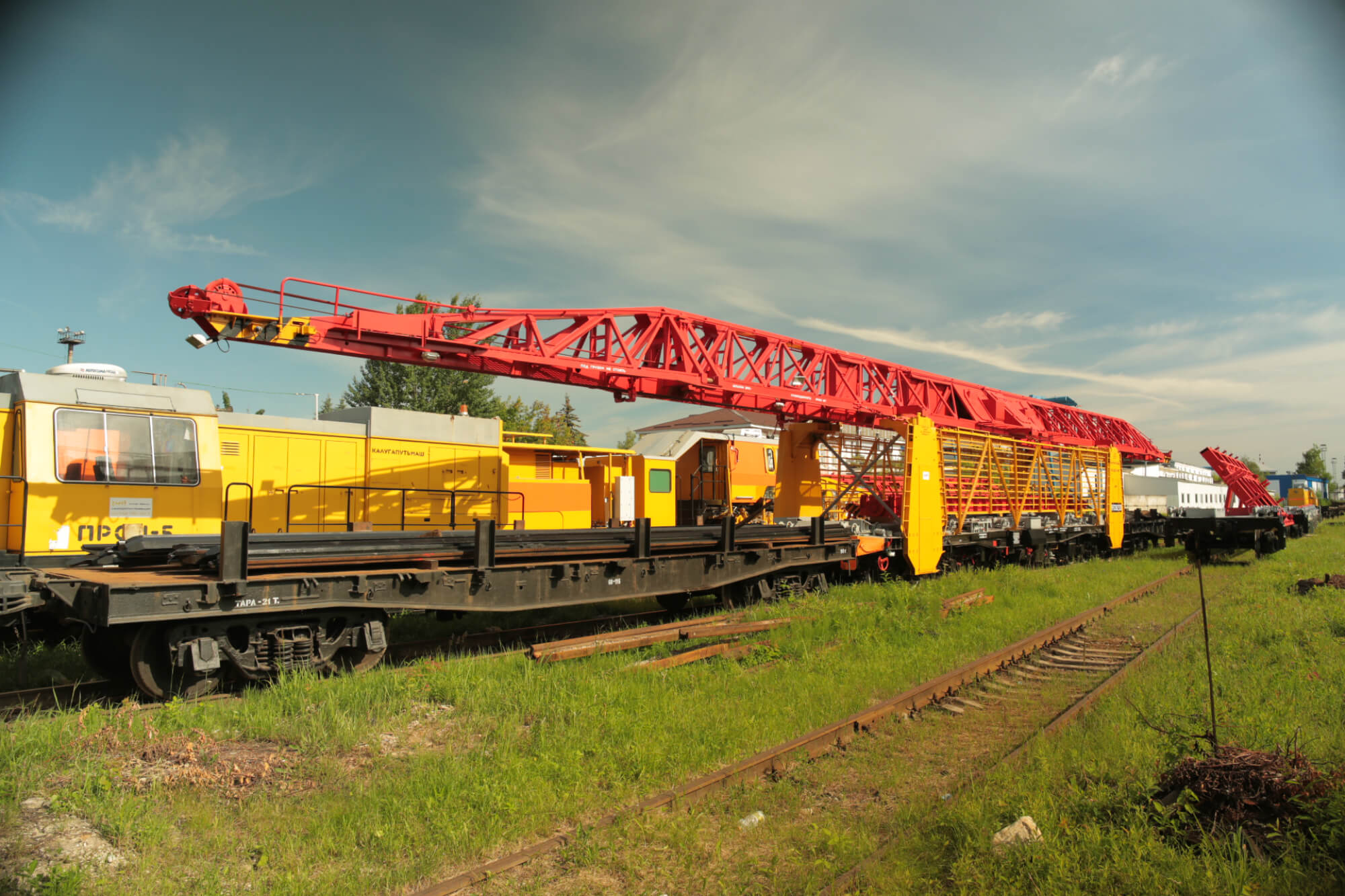
Two specialised rail-maintenance machines were held in the Czech Republic in disassembled condition, with identity and completeness in question and EUR 4.37M attributed to them. Serialised components were matched against OEM configuration and parts documentation, the stored condition of each was graded, and rebuild, transport and recommissioning costs were established for cross-border operation. The exercise confirmed what the machines actually were and what condition they were in, giving the client a verified basis for the EUR 4.37M valuation and for the decision to complete or pass on the transaction.
2 rail machines EUR 4.37M attributed asset value Czech Republic Rebuild, transport and recommissioning cost established
Mining Logistics · Condition & Reliability
16 Reliability Assessment of a Heavy-Duty Mining Haulage Fleet
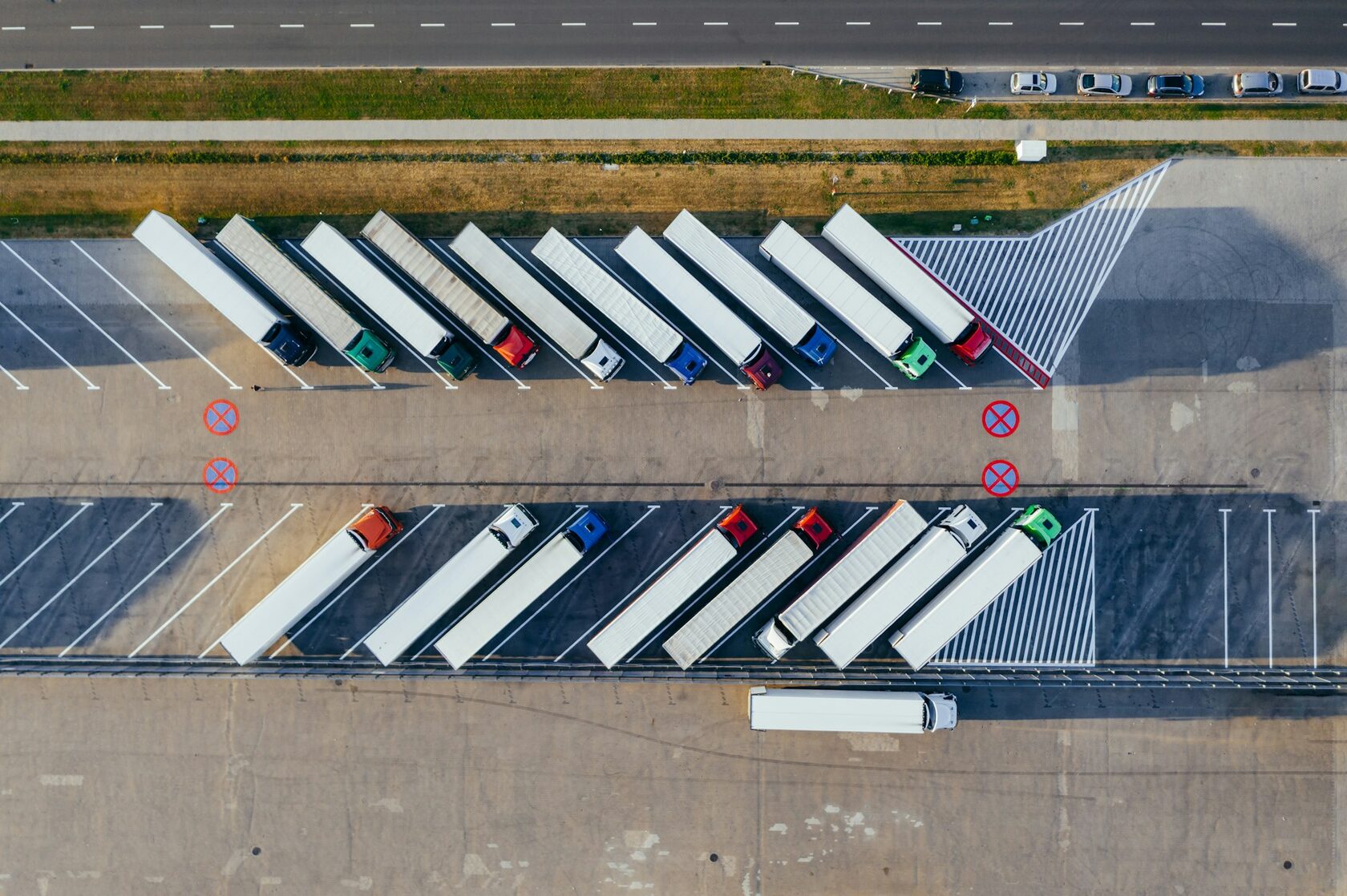
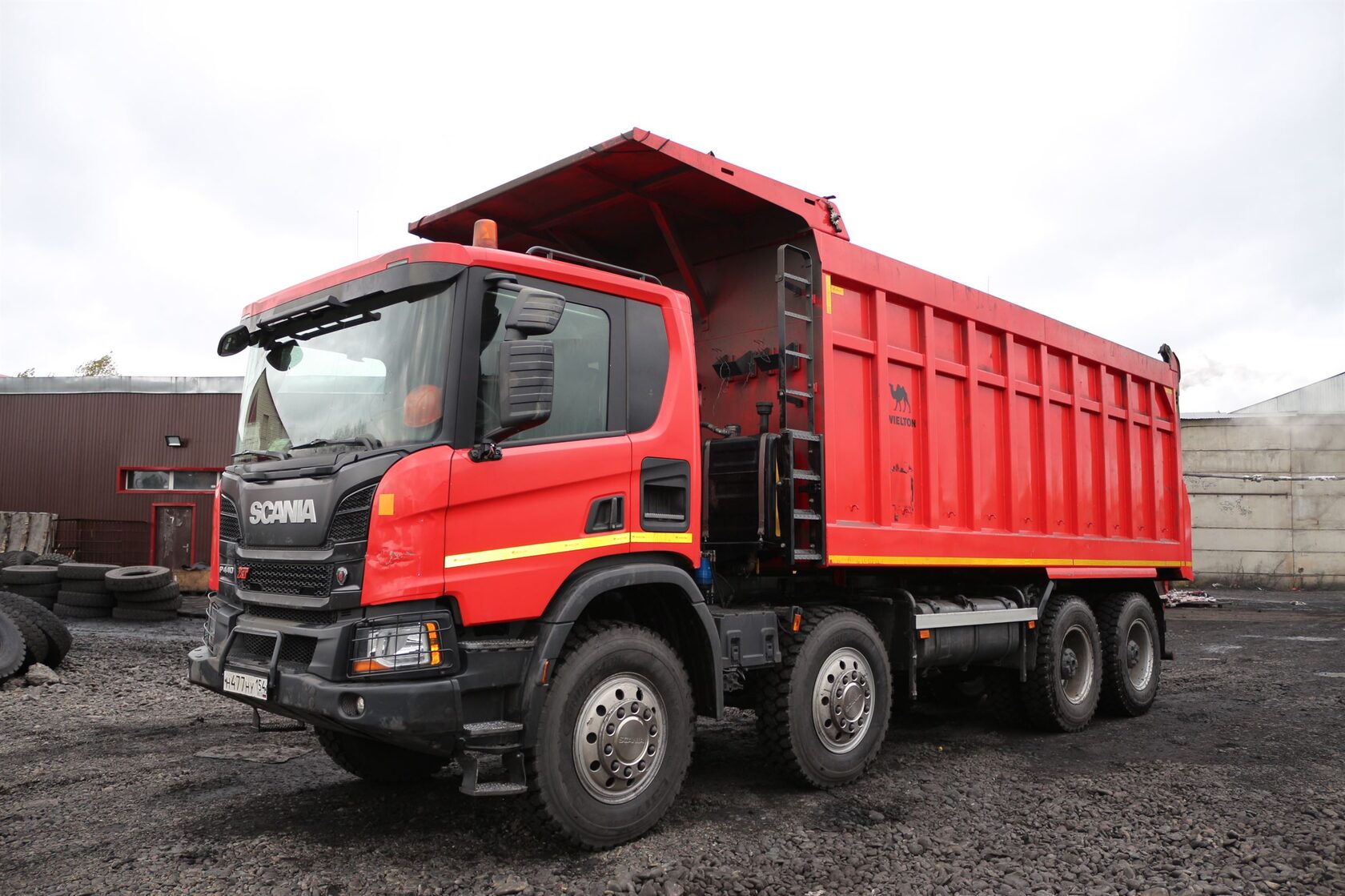
A 37-truck mining haulage fleet working 23/7/365 was suffering repeated component failures that single-cause analysis had not resolved. We reviewed telematics and maintenance records, analysed the haul road and the loading cycle, inspected and dismantled failed components, and assessed vehicle configuration against the duty actually being performed. The failures were shown to be multi-factor — road and loading conditions, operating regime, vehicle configuration and maintenance quality interacting — rather than a component weakness alone, which allowed the reliability plan for all 37 trucks to be rewritten around the real duty cycle.
37 trucks 23/7/365 operation Telematics and road profile analysed Multi-factor RCA