Heavy machinery
Mining, construction, lifting, earthmoving and material handling equipment.
See referencesSection 01 — Services
Practice statement
Independent technical advisory for industrial assets, machinery and complex engineering systems
We support investors, asset owners, insurers and industrial companies with technical due diligence, asset assessment, failure investigation, risk analysis and independent verification.
Our work is focused on one objective: turning complex technical information into clear, practical decisions.
Section 02 — Service Areas
We help clients assess industrial assets, understand technical risks and make informed decisions throughout the asset lifecycle.
Independent assessment of machinery, equipment and infrastructure before acquisition, investment or other strategic decisions.
We evaluate technical condition, key risks, maintenance history and factors that may affect future performance and value.
Assessment of the actual condition, reliability and operational risks of industrial assets.
We help identify critical issues, hidden weaknesses and areas requiring further technical attention.
Independent investigation of equipment failures, incidents and damage.
We analyse available evidence, operating history and technical data to identify likely causes and contributing factors.
Technical support for complex industrial losses and insurance claims.
We assess damage, failure mechanisms, repair implications and other technical factors relevant to loss evaluation and decision-making.
Assessment of maintenance practices, equipment reliability and recurring technical issues.
We identify factors affecting availability, lifecycle and long-term asset performance.
Independent verification of equipment condition, performance and readiness for operation, transfer or acceptance.
This may include inspections, documentation review and verification against agreed technical requirements.
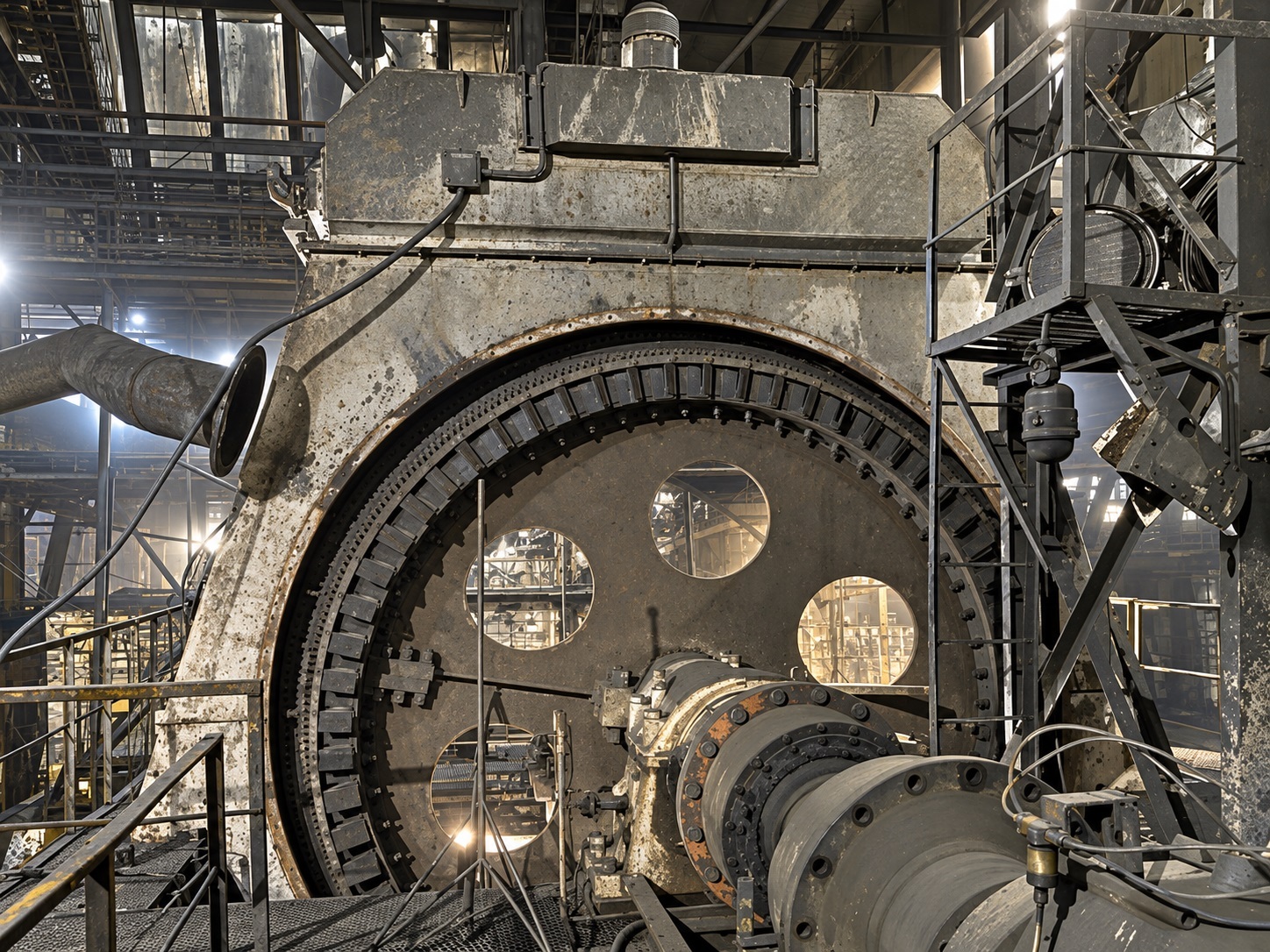
Interlude · Operating principles
Independent position.
No commercial ties to manufacturers, operators or service companies — conclusions belong to the client only.
Evidence first
Findings are built from documentation, field observation and measurable data — not assumption or vendor narrative.
Engineering judgment
Years of hands-on practice in mechanical, electrical and process systems inform every technical position we take.
Clear conclusions
Reports are written to support decisions — structured, traceable, and translated into practical next steps.
Section 03 — Client Situations
Clients usually involve us when a technical decision carries significant operational, financial or commercial consequences.
Independent technical review before purchasing machinery, equipment or industrial facilities.
Assessment of actual condition, remaining risks and factors affecting future operation.
Independent investigation of failure causes, damage mechanisms and contributing factors.
Verification of condition, performance and compliance before handover, commissioning or transfer.
Review of maintenance quality, recurring failures, reliability issues and asset availability.
Independent technical analysis to support insurance, recovery, repair or replacement decisions.
Section 04 — Asset Categories
Our work covers a wide range of industrial assets, machinery and engineering systems.
Mining, construction, lifting, earthmoving and material handling equipment.
See referencesDiesel and gas generator sets, auxiliary systems and critical power equipment.
See referencesProduction machinery, process equipment and specialized technical systems.
See referencesEngineering systems, production facilities and other critical infrastructure assets.
See referencesMarine equipment, transport systems and specialized mobile assets.
See referencesNon-standard equipment and multidisciplinary assets requiring integrated technical assessment.
See referencesSection 05 — Methodology
We combine engineering analysis, field evidence and technical documentation to build a clear and independent view of the asset or technical issue.
Define the technical question, business context and decision to be supported.
Review the asset, available documentation, operating history and relevant technical evidence.
Evaluate condition, failure mechanisms, reliability factors and technical risks.
Form an independent technical position based on evidence and engineering judgment.
Translate technical findings into clear conclusions and practical next steps.
Section 06 — Inquiry
Tell us about the asset, equipment or technical issue you are dealing with
We will review the context and discuss how we can support your decision. Initial conversations are confidential and treated as informal technical exchanges.